Godzilla Minus Zero Review: R-Rated Sequel Expands Trauma
Godzilla Minus Zero breaks franchise history as its first R-rated film, using mature themes to explore post-war trauma and revenge through a human story
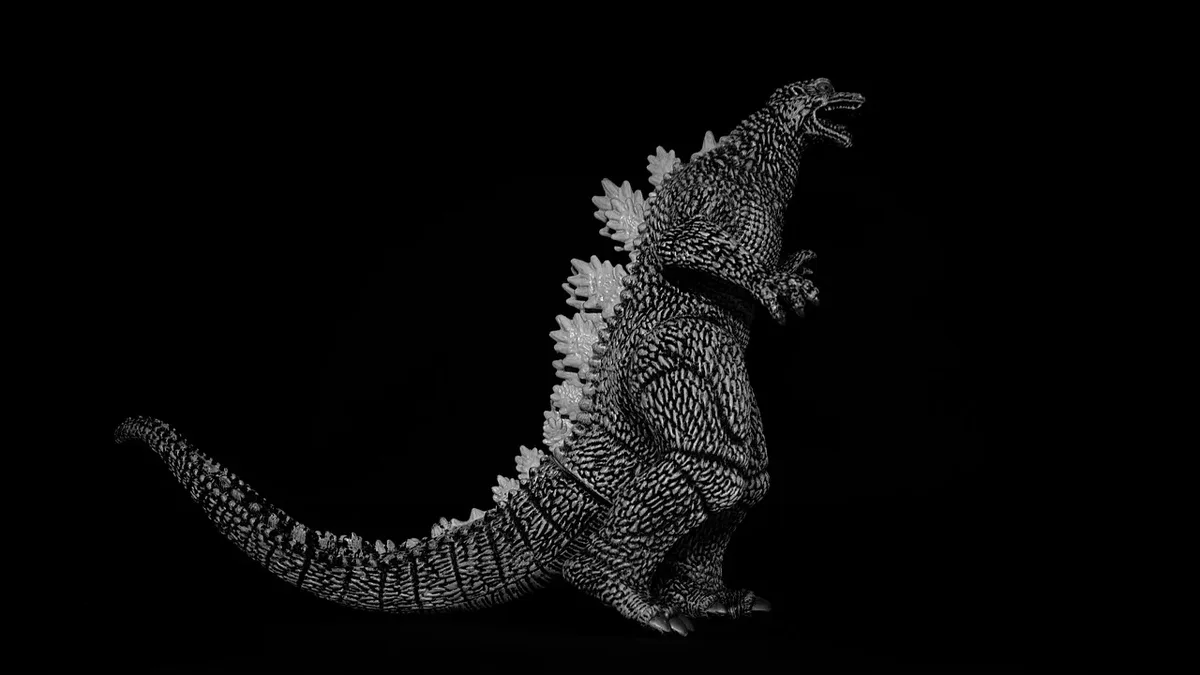
Godzilla Minus Zero releases in U.S. Theaters on November 6. This sequel to 2023's Godzilla Minus One is the first R-rated Godzilla film in the franchise's 72-year history. Director Takashi Yamazaki uses the mature rating to deliver heightened emotional stakes and biting political commentary, crafting a globe-spanning tale of military subterfuge set in 1949, two years after Godzilla's initial defeat. The film is not subtle in its messaging. One critic expressed hope, stating, "Hopefully, there's a trilogy in the works, just don't ask me what comes after Minus One and Minus Zero."
Trauma, legacy, and the cycle of vengeance
Godzilla Minus Zero confronts Japan's wartime trauma directly. It juxtaposes Godzilla's destruction with the aftermath of the bombings of Hiroshima and Nagasaki. The narrative explores how warfare and violence fuel an endless cycle of revenge and bloodshed. In one striking sequence, the film briefly imagines Japan getting brutal revenge on America for World War II. It then reflects back the monstrosity of that fantasy by pointedly showing a literal mirror. This theme is embodied through characters like Professor Kanji Murakami, a survivor of the Hiroshima bombing, and the collective trauma of Godzilla's devastating attack on Ginza.
Human stories amid kaiju chaos
The film is grounded by a found family. The central trio consists of disgraced kamikaze pilot Kōichi Shikishima, his wife Noriko, and their adopted daughter Akiko. Their personal journey provides the emotional anchor for the epic monster conflict. Ryunosuke Kamiki portrays Kōichi, while Minami Hamabe plays Noriko. Sae Nagatani, who plays Akiko, delivers what is described as the film's most heartbreaking performance. Kōichi's personal redemption is tied to the larger conflict, as he helps the newly formed Special Disaster Response Bureau hatch a scheme to defeat the new threats.
Expanding the monster mythos
The scale of the conflict expands dramatically. Godzilla Minus Zero features twice as many monsters as its predecessor. The film opens with a dragon-like creature that shoots lightning from its mouth, later dubbed Ghidorah. King Ghidorah serves as a central antagonist, a fact hidden from marketing which only hinted at yellow lightning and his distinctive roar. The primary conflict extends beyond the two monsters to include war, greed, and cycles of bloodshed. A political power struggle erupts between Japan and the United States over control of the Kaiju remains. Dr. Kenji Noda, director of Japan's Special Disaster Response Bureau, even sets up a battlefield to pit Godzilla and Ghidorah against each other. Godzilla itself reappears in a more muscular form with upgraded scales.
A filmmaker’s vision realized
Takashi Yamazaki's varied role as director, writer, and producer ensures a cohesive and ambitious vision. The film achieves a technical first for a Japanese production by use IMAX-certified cameras. With a runtime of 135 minutes, Yamazaki weaves together the intimate human drama and large-scale spectacle. He defends the film's direct approach to its themes. Yamazaki said, "That's the beauty of Godzilla Minus Zero (and Godzilla in general). It's never been about subtlety." The supporting cast strengthens the human element, with Hidetaka Yoshioka portraying Dr. Kenji Noda and Masami Nagatani playing meteorologist Makoto Aoyama. Given the deep lore, the reviewer recommends rewatching Ghidorah, the Three-Headed Monster from 1964 before seeing Godzilla Minus Zero.