Five Classic Nintendo Games That Don't Need Remakes
Five iconic Nintendo titles from the 80s and 90s are celebrated as timeless masterpieces whose original design and gameplay remain perfect without modern remakes.
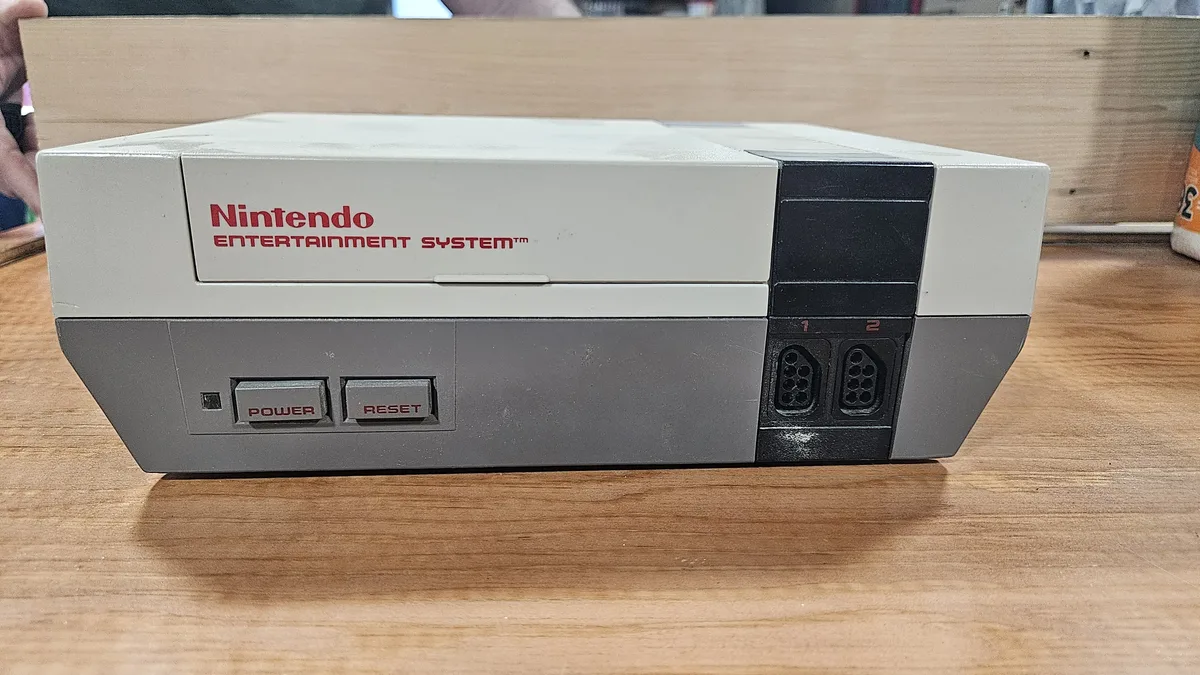
Five classic Nintendo games are being highlighted as timeless masterpieces that stand perfectly without needing remakes. These titles, spanning from 1988 to 1994, demonstrate enduring design quality that remains compelling for players today.
Super Mario World launched with the Super Nintendo on November 21, 1990. Its technical achievements, like sprite scaling and parallax scrolling, were groundbreaking. The introduction of Yoshi and his special abilities added a new layer to gameplay. Clever level design featured alternate exits and hidden maps like Star Road, while precise flight speed control gave experts a satisfying skill ceiling.
The Legend of Zelda: A Link to the Past arrived on November 21, 1991. It established strategic puzzle-solving that required thoughtful player engagement. Detailed animations, such as arrows vibrating when embedded in wood, brought its world to life with a care that still resonates.
Super Mario Kart raced onto the scene on August 27, 1992. It pioneered character-based handling, with heavyweights like Donkey Kong Jr. and Bowser controlling differently from lighter characters. The game's AI used rubberbanding on lower difficulties to keep races tight, and notably lacked the infamous blue shell item.
Super Mario Bros. 3 first appeared on October 23, 1988. It expanded the Mario formula with a world map progression system and multiplayer battle challenges. Unique events, like hammer-wielding turtle encounters, offered greater rewards. While it received a visual upgrade in the Super Mario All-Stars collection, that version altered the original's physics.
Super Metroid completed the set on March 19, 1994. It masterfully built atmosphere through its lonely corridors and alien life forms. The game's progression system, granting new exploration abilities after major victories, became a genre benchmark. Its graphics and haunting soundtrack are considered to hold up exceptionally well without any remastering.
Why These Games Remain Perfect
Each title's unique mechanics and artistic choices are highlighted as reasons they remain flawless in their original form. From Super Mario World's hidden level geometry to Super Metroid's immersive ambiance, the core design philosophy prioritizes engaging gameplay over graphical fidelity. This focus ensures the experiences are not diminished by age. The argument is that these games are perfect as-is.
Nintendo is urged to keep these classic titles available in their original state. The call is for preservation, not renovation. This perspective comes amid a landscape filled with remakes and re-releases, seeking to validate the enduring power of foundational game design.
Separately, the Zelda series producer Eiji Aonuma confirmed Nintendo has no plans to release DLC for The Legend of Zelda: Tears of the Kingdom. He also suggested the company's collaboration with Koei Tecmo on Hyrule Warriors: Age of Imprisonment might influence the next mainline Legend of Zelda title. That game is a collaboration between Koei Tecmo and Nintendo, with Koei Tecmo and its new AAA Games Studio handling development.
Regarding another classic, a remake of The Legend of Zelda: Ocarina of Time is launching on November 5, 2026, for the Nintendo Switch 2. The original launched on the N64 28 years ago. Reports indicate some younger members of the remake team had never played the original game before their work began. The project's preview coverage has been extensive, with one outlet describing its approach as "A weekly cheat sheet to what you’ll eventually love to play. No buying, no commitment, just saving for later." The commitment remains to preserve the classics as they are.