Sony argues gamers know they don't own
Sony's lawyers claim 'reasonable consumers' understand digital purchases are licenses, not owned property, in a class action lawsuit over California's consumer law.
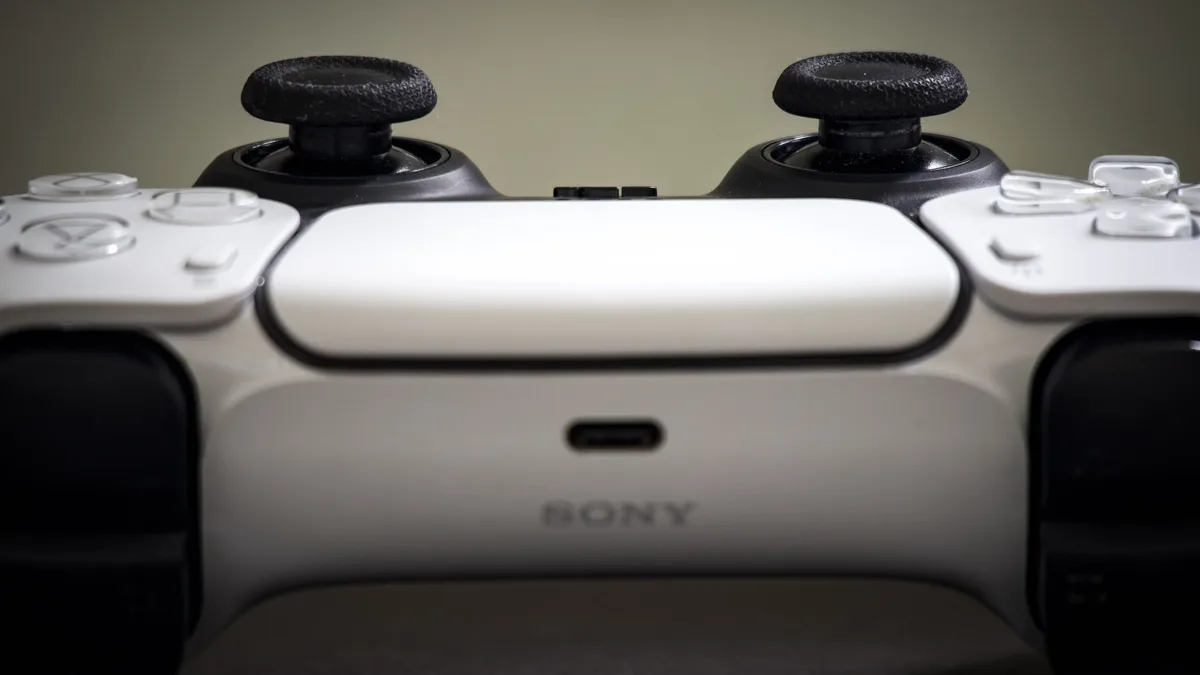
Sony Interactive Entertainment has argued that "reasonable consumers" already understand they do not own the digital games they buy. The claim was made in a legal filing on August 21 in response to a class action lawsuit from four customers.
The lawsuit, filed in July, alleges the PlayStation Store's disclosures fail to comply clearly with a 2025 California law. This law requires companies to explicitly inform customers that paying for a digital product does not guarantee permanent access. The claimants argue Sony is not being obvious enough about the distinction between purchase and ownership.
The Core Legal Argument
Sony's legal team stated that most "reasonable consumers would not be misled" by the company's current practices. The PlayStation Store does link to its Terms of Service and Software Product Licensing Agreement during the checkout process. However, the clause stating "virtual content is licensed, not owned" is buried several hundred words into these documents.
The filing goes further, suggesting the nature of digital distribution makes true ownership implausible. It uses the example of two plaintiffs both buying the same game. The filing stated this makes sense in the digital age.
The Specific Example Cited
Sony's argument hinged on a hypothetical scenario involving the plaintiffs and a specific game. The lawyers posited that if digital purchase meant ownership, one customer could not buy a game another customer already "owned."
The filing argued that Plaintiff Edward Heycock would not have been able to obtain the game Resident Evil Requiem on February 25, 2026 for $69.99 from the PlayStation Store after Plaintiff Jason Mendoza had obtained it on 14th February, 2026, because Mr. Mendoza, not Sony, would have owned it then.
Broader Context for PlayStation
The legal battle happens alongside other controversial moves by Sony regarding game ownership and distribution. Earlier this summer, the company announced plans to stop manufacturing physical discs for new PlayStation games by January 2028. The shift to an all-digital future has been met with significant criticism from parts of the gaming community.
The lawsuit and Sony's defense highlight a fundamental tension in modern gaming. Consumers pay full price for digital titles, yet their long-term access relies on continued platform support and licensing agreements. The case's outcome could influence how all digital storefronts communicate the nature of purchases to customers.