Epic Rebuilds Easy Anti-Cheat to Enable Fortnite on Linux
Epic Games is rebuilding its Easy Anti-Cheat system for Linux, a move that could finally bring Fortnite to the platform.
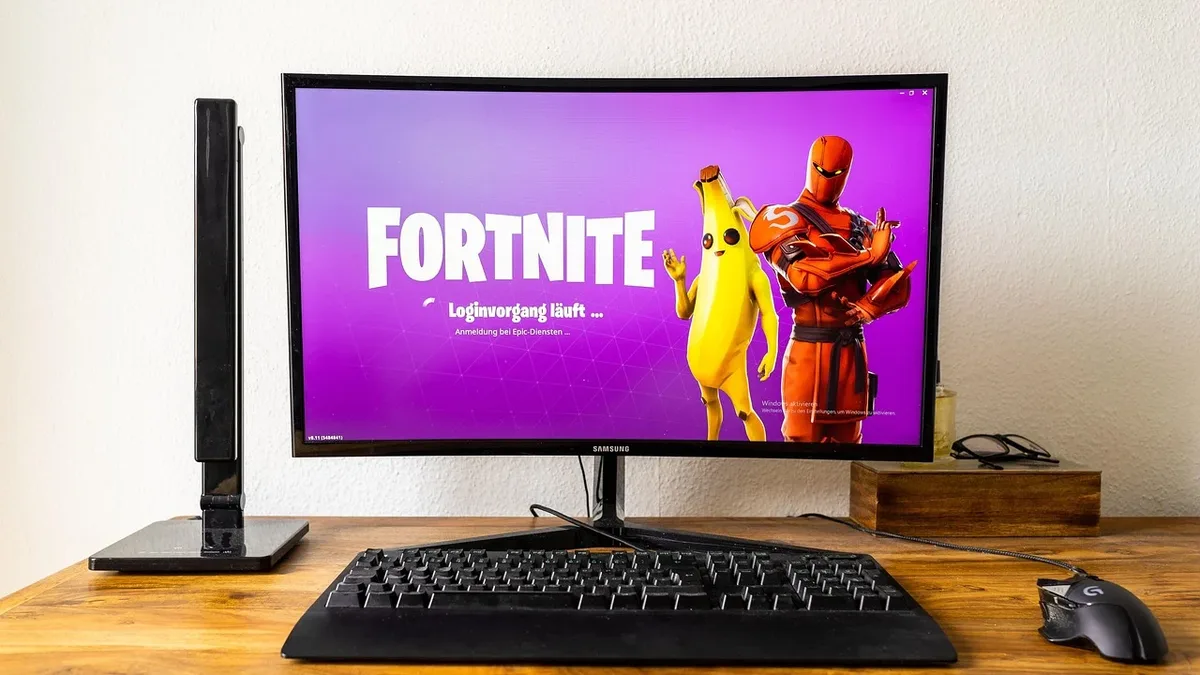
Epic Games has announced a fundamental rebuild of its Easy Anti-Cheat system designed to finally enable Fortnite on Linux. The company is testing a Linux-native version of Easy Anti-Cheat, directly addressing the primary technical barrier that has kept its flagship battle royale game off the platform for years. This new system, called EAC Linux v2, abandons the kernel driver approach used on Windows in favor of leveraging existing Linux security features.
On Windows, EAC relies on a kernel driver that starts when a game launches and stops when the player exits. For EAC Linux v2, Epic will not use an equivalent kernel module. Instead, the rebuilt anti-cheat will operate as a systemd service paired with eBPF programs. It uses a suite of system-level security features to detect cheating and protect game processes.
These features include signed kernels, signed kernel modules, Secure Boot with attestation, TPM 2.0, measured boot, IOMMU, kernel lockdown, and BPF LSM. Epic engineering director Rick Deist said the company is still refining the solution and will test it live in Fortnite before public release. Epic will make the improved anti-cheat available to other developers after its initial deployment.
Why Fortnite stayed off Linux until now
Fortnite's absence from Linux has mostly come down to cheating concerns. While Epic notes that "Easy Anti-Cheat (EAC) has supported native Linux game clients since 2014," Fortnite itself never enabled that support. In February 2022, CEO Tim Sweeney admitted the company lacked confidence it could fight cheating at scale across Linux's many kernel configurations. The diverse and customizable nature of Linux distributions presented a significant challenge for a consistent, secure anti-cheat environment, which the new EAC Linux v2 aims to solve.
What EAC Linux v2 requires and where it works
The new system's reliance on advanced security features means it is not a universal solution. These features are not available on every Linux distro and may require user configuration changes. If a protected game is launched on a system missing the requirements, an error message will appear but no account ban will occur. Epic is working with distribution maintainers to ensure more distros meet the requirements by default.
A significant current limitation is Steam Deck compatibility. EAC v2 is not yet compatible with Valve's handheld because it currently lacks the required features. Epic is actively talking with Valve about future Steam Deck support but has stated Fortnite will not support the device for the foreseeable future. No timeline for Fortnite's arrival on Linux has been provided; its release depends on Epic validating the new anti-cheat and securing broader support from distribution maintainers.
Epic's broader Linux push continues
This anti-cheat development is part of a wider effort by Epic to engage with the Linux ecosystem. The announcement accompanies a preview release of a new, features-light version of the Epic Games Launcher that runs natively on Linux. Also, Easy Anti-Cheat added support for running Windows game builds on Linux via Wine/Proton back in 2021, though that support remains opt-in for each individual game. Epic plans to test EAC Linux v2 with Fortnite first, then roll the technology out to other developers.
Once a significant number of distributions are covered by the new security framework, Fortnite will arrive via the Epic Games Launcher. The company will test-drive EAC Linux v2 live in Fortnite before making it available to other multiplayer games.